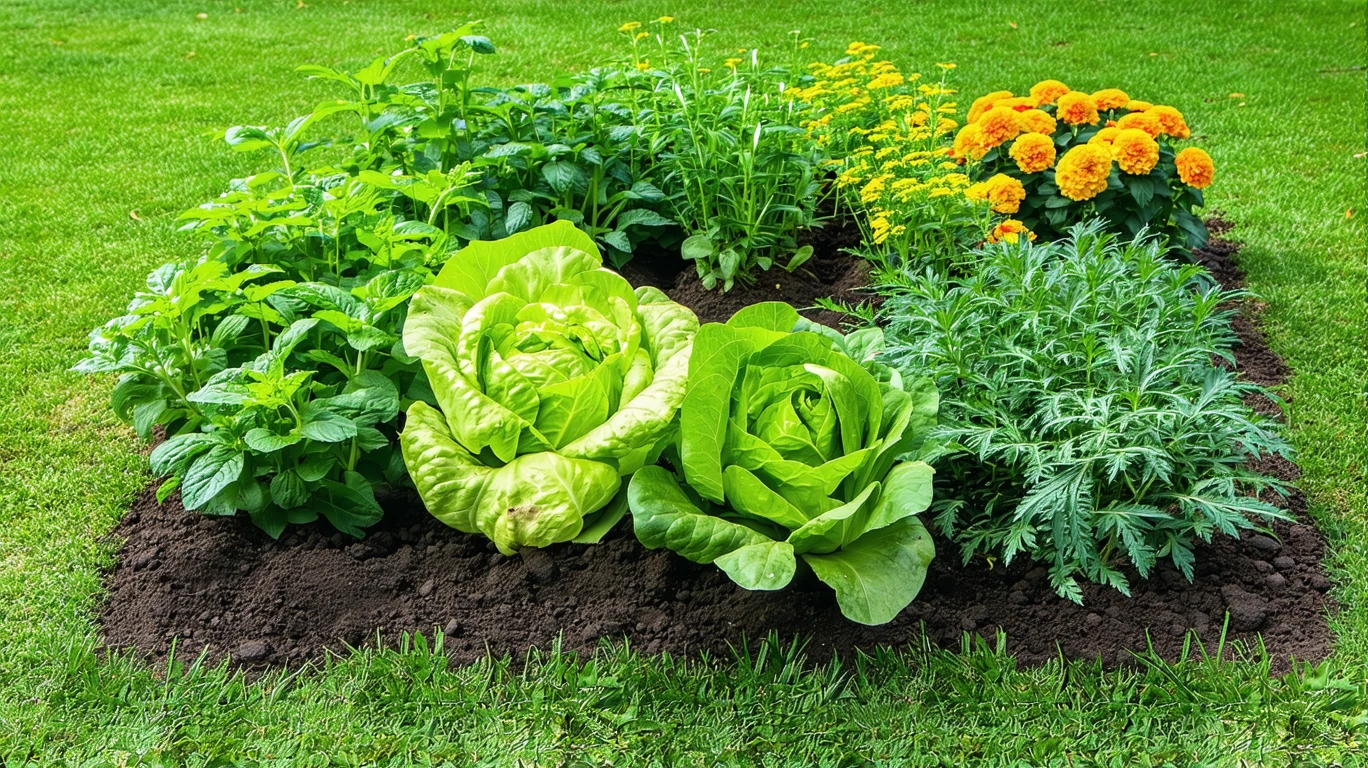
How to Start a Garden
Gardening is a rewarding hobby that offers numerous benefits, including providing fresh produce, enhancing your outdoor space, and serving as a therapeutic activity that promotes mental well-being. By starting your own garden, you gain control over what you consume, reduce your carbon footprint, and contribute positively to your environment. With more people becoming interested in sustainability and self-sufficiency, starting a garden is an excellent step towards a healthier and more fulfilling lifestyle. This guide will take you through the essential steps to get started with your very own garden, offering practical advice, tips, and some common pitfalls to avoid.
Step 1: Plan Your Garden
Start with a clear vision of what you want to achieve with your garden. This will guide your decisions throughout the process.
Decide what you want to grow. Consider the types of plants you enjoy, whether vegetables, herbs, flowers, or a mix. Keep your climate and available space in mind. For beginners, easy-to-grow options like tomatoes, lettuce, basil, and zinnias are excellent choices.
Choose your garden type. Depending on your space and preference, you might choose a traditional in-ground garden, raised beds, or container gardening. Raised beds and containers are ideal for limited spaces and offer better control over soil conditions.
Sketch a plan. Draw a simple map of your garden layout, indicating where each type of plant will be placed. This helps in utilizing space efficiently and ensures proper plant placement based on sunlight requirements.
Step 2: Select the Right Spot
The success of your garden depends significantly on its location. Here’s how to choose the perfect spot:
Ensure sufficient sunlight. Most vegetables and flowers need at least 6-8 hours of sunlight daily. Observe your yard throughout the day to identify an area with the most sun exposure.
Consider accessibility to water. Choose a location near a water source, like a hose, to make regular watering easier.
Survey the soil condition. If you're planting in-ground, test the soil to understand its pH and nutrient levels. Most plants prefer balanced, well-draining soil. If your soil quality is poor, consider improving it with compost or choosing raised beds or containers.
Step 3: Prepare the Site
Proper site preparation sets the foundation for a thriving garden.
Clear the area. Remove any grass, weeds, or debris from the site to prevent competition for nutrients. You might need to dig or till the soil, especially if it's compacted.
Improve soil quality. Mix in organic matter like compost or well-rotted manure to enrich the soil. This enhances soil texture, drainage, and nutrient content.
Define planting areas. If using raised beds, assemble them now. For container gardening, arrange your pots in the desired spots.
Designate paths. Lay down mulch, stepping stones, or gravel in between beds to create pathways for easy access and maintenance.
Step 4: Plant Your Garden
With your site ready, it's time to bring your garden to life.
Choose quality seeds/plants. Purchase seeds or seedlings from reputable sources. Look for disease-resistant varieties that suit your climate.
Follow planting instructions. Whether sowing seeds or transplanting seedlings, follow depth and spacing guidelines specific to each plant. This information is often found on seed packets or plant labels.
Water immediately after planting. Ensure soil is adequately moist to help seeds germinate and young plants establish roots.
Step 5: Maintain Your Garden
Regular maintenance is crucial to keep your garden healthy and productive.
Water consistently. Particularly important during dry spells, your plants need regular watering. Early morning or late afternoon is best to minimize evaporation.
Control weeds. Mulching around plants suppresses weeds and conserves moisture. Hand-pull weeds or use a hoe to prevent them from overtaking your garden.
Monitor for pests and diseases. Regularly check plants for signs of pests or disease. Use natural or organic methods, like neem oil or introducing beneficial insects, to manage problems as they arise.
Fertilize as needed. Depending on plant requirements, additional feeding with a balanced fertilizer can support healthy growth.
Common Mistakes to Avoid
Overplanting: It's easy to get excited and overcrowd your garden. Ensure ample space between plants to reduce competition and disease risk.
Ignoring soil health: Neglecting soil preparation can lead to poor plant performance. Prioritize enriching your soil before planting.
Watering inconsistently: Both overwatering and underwatering can harm your garden. Develop a consistent watering schedule suited to your plant’s needs and local climate conditions.
Neglecting plant labels: These contain crucial information about spacing, care, and growth habits; follow them closely.
Conclusion
Starting a garden is a fulfilling journey that bridges the gap between you and nature. By planning carefully, choosing the right spot, preparing your site, planting thoughtfully, and maintaining diligently, you can cultivate a vibrant and productive garden. Don't be discouraged by initial challenges; gardening is a learning process. Observe, adapt, and enjoy the growth at every step—literally and figuratively. As you gain experience, consider expanding your garden with new varieties or innovative techniques like vertical gardening. Here's to your success and the bounty that comes with starting your garden!