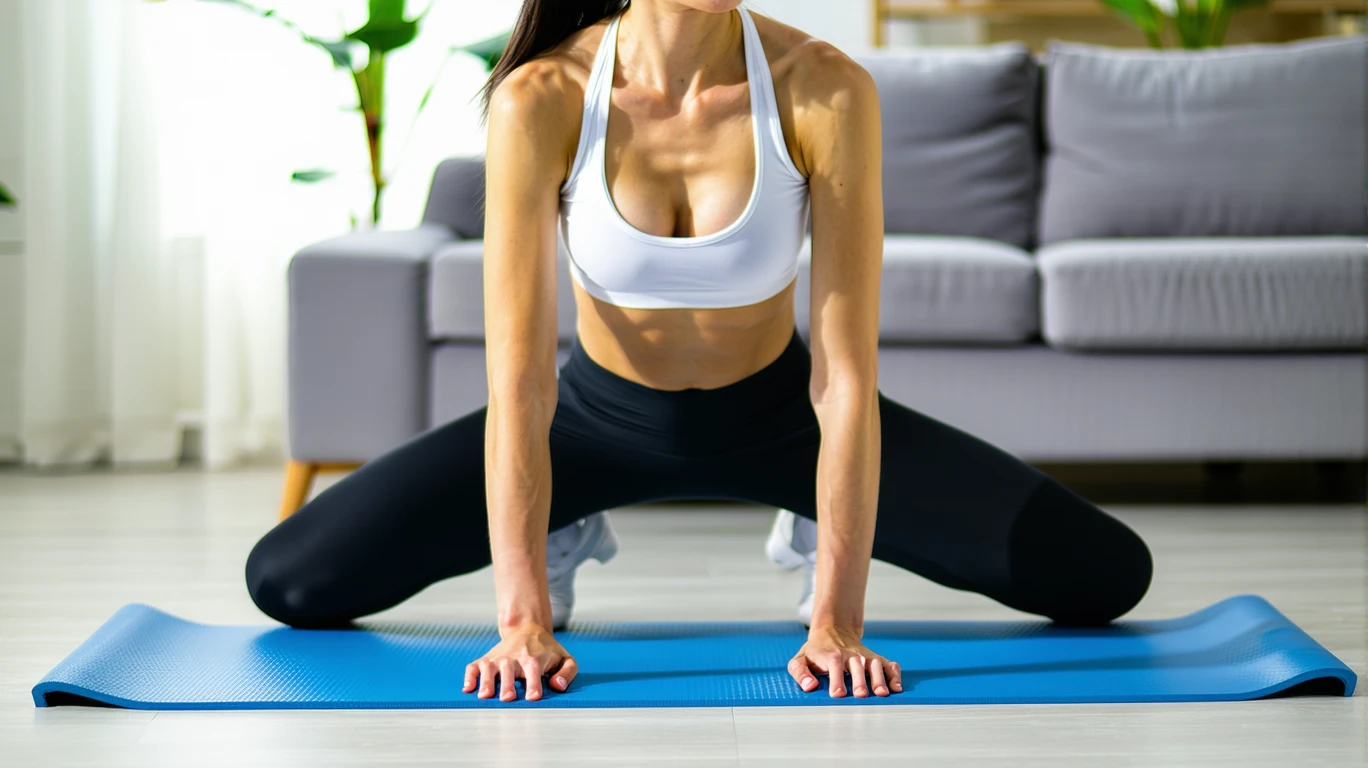
How to Exercise at Home: A Comprehensive Guide
Exercising at home is a convenient and cost-effective way to maintain physical fitness and improve overall health. Whether you're looking to save time commuting to a gym, avoid expensive membership fees, or simply prefer the comfort of your own home, this guide will help you establish an effective home workout routine.
Introduction
In today's fast-paced world, finding the time and motivation to exercise can be challenging. However, staying active is crucial for both physical and mental well-being. Exercising at home offers flexibility, allowing you to integrate fitness into your schedule without sacrificing other commitments. This guide provides a step-by-step approach to creating a successful at-home workout routine, ensuring you can achieve your fitness goals from the comfort of your living space.
Step 1: Set Clear Goals
Before you begin any exercise routine, it's essential to establish clear and realistic goals. These goals will guide your workout plan and keep you motivated.
Identify what you want to achieve: Is it weight loss, muscle gain, improved endurance, or overall health improvement?
Set specific, measurable, and time-bound goals. For example, aim to lose 5 pounds in a month or complete a 30-minute workout five days a week.
Write down your goals and track your progress regularly to stay motivated and make necessary adjustments.
Step 2: Design Your Workout Plan
Creating a structured workout plan tailored to your goals is key to staying consistent and avoiding injury.
Determine how many days a week you can commit to working out. Beginners might start with three days a week and gradually increase as they become more accustomed to the routine.
Balance your routine: Include a mix of cardiovascular exercises, strength training, and flexibility exercises to cover all aspects of fitness. For instance, dedicate two days to cardio, two to strength training, and one to flexibility exercises like yoga.
Keep your workouts varied to prevent boredom and challenge different muscle groups. For example, alternate between running or jumping rope for cardio and bodyweight exercises or resistance bands for strength training.
Step 3: Utilize Available Resources
Take advantage of the resources you have at home or available online to enhance your workouts.
Use bodyweight exercises like push-ups, squats, lunges, planks, and burpees, which require no equipment and are highly effective.
Consider investing in basic equipment such as dumbbells, a yoga mat, resistance bands, or a stability ball to expand your exercise options.
Explore online workout videos or fitness apps, many of which offer free trials or low-cost subscriptions, to provide guidance and structured classes.
Step 4: Create a Dedicated Workout Space
Having a designated area for exercise can make it easier to stick to your routine and minimize distractions.
Identify a space in your home where you can move freely, such as a corner of your living room or a section of your bedroom.
Ensure the space is clean, well-lit, and ventilated to improve your workout experience.
Keep your exercise equipment organized and readily accessible to streamline preparation and prevent excuses.
Step 5: Warm-Up and Cool Down
Always start and end your workouts with a proper warm-up and cool down to prevent injuries and improve performance.
A warm-up should last about 5-10 minutes and include light cardio (like jogging in place) and dynamic stretches that target the muscles you'll be using.
A cool down should also last 5-10 minutes, focusing on static stretches to increase flexibility and promote muscle recovery.
Practical Tips and Best Practices
Schedule your workouts at the same time each day to build a habit and integrate exercise into your daily routine effectively.
Stay hydrated by drinking water before, during, and after your workouts.
Listen to your body and rest when needed. Adequate rest is crucial for muscle recovery and preventing burnout.
Track your workouts and progress to stay motivated and identify areas that need improvement.
Common Mistakes to Avoid
Skipping the warm-up or cool down, which can increase the risk of injury.
Overtraining without sufficient rest days, leading to fatigue and decreased performance.
Focusing too much on a single type of exercise, which can lead to imbalances and slow down progress.
Ignoring form and technique, which can cause injuries and reduce the effectiveness of the exercises.
Conclusion
Exercising at home is an empowering and achievable way to improve your physical fitness and well-being. By setting clear goals, designing a balanced workout plan, utilizing available resources, creating a dedicated exercise space, and ensuring proper warm-up and cool down, you can establish a sustainable routine that fits your lifestyle.
Remember to be patient with yourself and celebrate your progress, no matter how small. As you become more comfortable with at-home exercising, consider gradually increasing the intensity of your workouts or exploring new types of exercises to keep your routine exciting and challenging. Keep moving forward, and enjoy the journey to a healthier, more active you.