tijuana - juárez
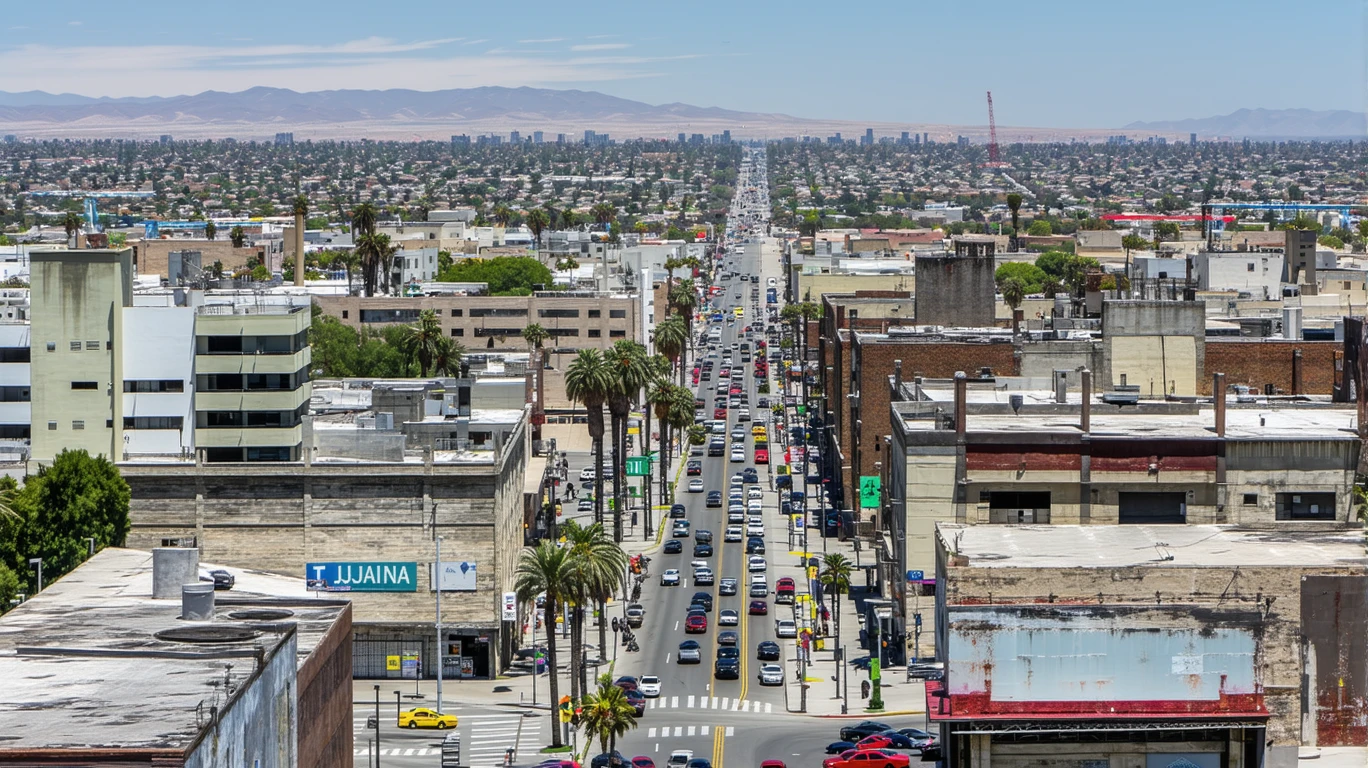
Exploring the Unique Border Dynamics of Tijuana and Ciudad Juárez
The Mexican border cities of Tijuana and Ciudad Juárez offer distinct yet intertwined narratives of life at the boundary between Mexico and the United States. While separated by great distance, both cities share the experience of being key points of contact and contrast between two nations. This fascinating relationship is shaped by history, culture, commerce, and the challenges inherent to border regions.
Introduction
Tijuana, located in the northwestern corner of Mexico, is a vibrant city known for its rich cultural scene and burgeoning industries. Just across from San Diego, California, Tijuana is a major hub for cross-border trade and tourism. Ciudad Juárez, situated at the opposite end of the Mexican-US border, is found just south of El Paso, Texas. Juárez is a city with a storied past rooted in the Mexican Revolution and a present marked by rapid industrialization and its strategic location for commerce. Together, these cities highlight the complexity and dynamism of border life, offering a window into the challenges and opportunities present at national boundaries.
Tijuana: A City of Transition and Innovation
Tijuana represents a nexus of cultural interchanges and economic potential. The city has long served as a gateway for Mexicans seeking new opportunities in the United States, as well as a destination for American visitors drawn by its vibrant nightlife and cultural festivals. This continuous flux of people and ideas has fostered an environment where innovation can flourish.
Over the years, Tijuana has emerged as a leader in sectors like technology and manufacturing. Its proximity to the California tech hubs provides local companies with unique access to markets and talent. This has encouraged a startup ecosystem to take root, often supported by government initiatives that aim to strengthen these ties even further.
In addition to commerce and technology, Tijuana is famous for its gastronomic scene. The city is part of a culinary revolution that blends traditional Mexican dishes with international influences, creating a unique food culture that attracts tourists and locals alike. Moreover, Tijuana hosts numerous music, art, and cultural festivals, solidifying its reputation as a dynamic and creative urban center.
Ciudad Juárez: Industrial Powerhouse and Historical Landmark
While Tijuana thrives largely due to its tourism and cultural exports, Ciudad Juárez has carved a niche as an industrial powerhouse. Juárez is home to a sprawling array of maquiladoras—factories that import materials on a duty-free and tariff-free basis for assembly or manufacturing before exporting the finished goods. This industrial ecosystem has made the city a critical component of the global supply chain, especially for the automotive, electronics, and consumer goods industries.
Juárez's history is deeply marked by the Mexican Revolution, with many sites of historical significance nearby, such as the Paso del Norte and the Casa de Adobe, where revolutionary troops staged important campaigns. Despite challenges such as sporadic violence linked to organized crime, the city has demonstrated resilience, largely driven by its strategic importance and the entrepreneurial spirit of its citizens.
Efforts have been made to enhance security and boost quality of life, and these initiatives have seen varying degrees of success, allowing the city to maintain a steady course of growth. Moreover, Juárez is increasingly focusing on urban development projects that aim to revitalize neighborhoods and create more green spaces, thus improving the livability of the city.
Comparing and Contrasting: The Link Between Two Border Giants
Though Tijuana and Ciudad Juárez are distinct in many ways, a comparison reveals shared themes of transformation and resilience—qualities intrinsic to border communities. Both cities deal with the intricate dynamics driven by migration, border policies, and international relations. They provide a living laboratory of cultural fusion and co-existence amid the pressures of socio-economic disparities and security concerns.
While Tijuana leans heavily towards cultural and tourism development alongside its growing tech and manufacturing economy, Juárez remains a symbol of industrial strength. Nonetheless, both cities contribute significantly to the economic narratives and relationships that define US-Mexico interactions.
Shared Challenges and Opportunities
Conclusion
Tijuana and Ciudad Juárez are emblematic of the ever-evolving nature of border cities, where lines on a map are both a divide and a bridge between nations. They represent both the challenges and opportunities that arise from geopolitical, economic, and cultural intersections. Understanding the dynamics of these cities not only offers insights into regional development but also illuminates the broader narrative of globalization and its local implications.
With each passing decade, Tijuana and Ciudad Juárez continue to redefine themselves, illustrating a remarkable ability to adapt and thrive despite the odds. As points of convergence, conflict, and cooperation, these cities play crucial roles in shaping the future of international relations in North America and beyond.