How to Learn Photography
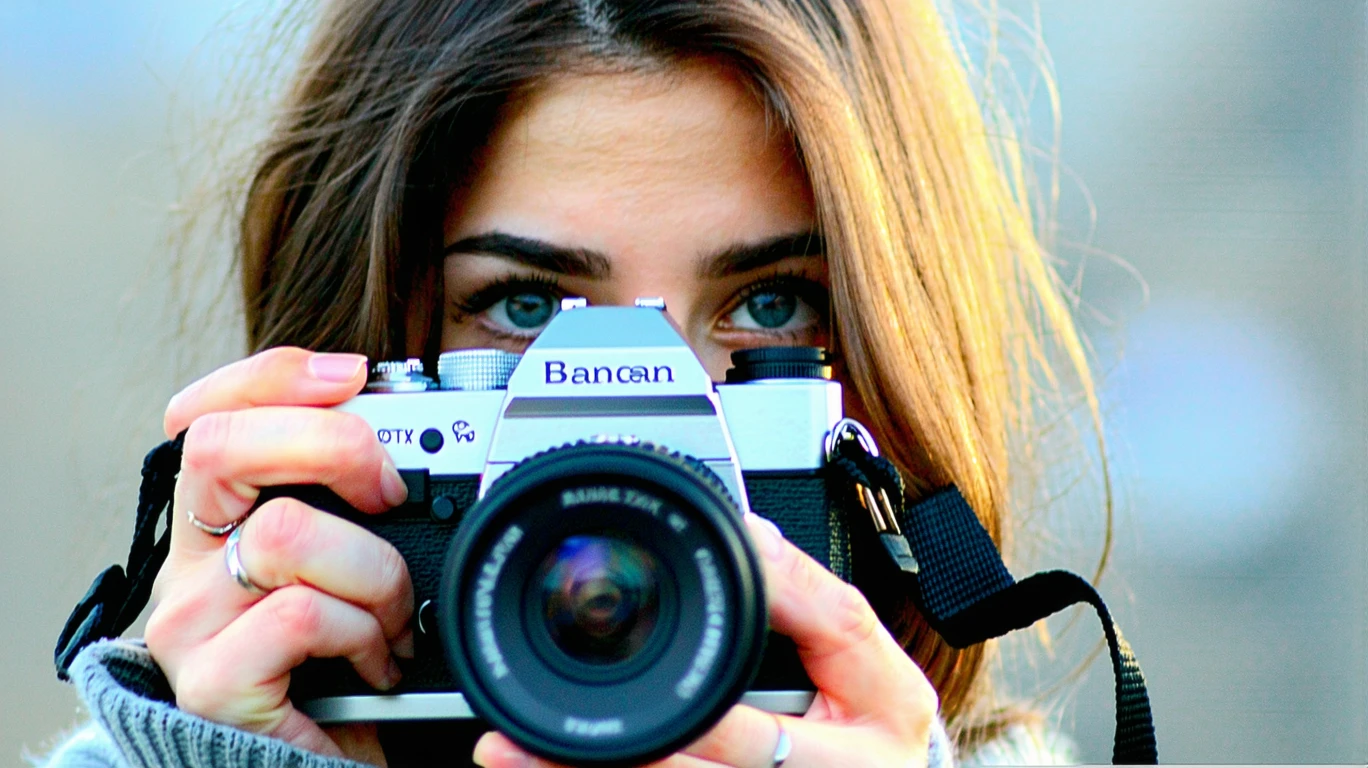
How to Learn Photography: A Comprehensive Step-by-Step Guide
Photography is a powerful form of art and communication that allows individuals to capture, express, and share their view of the world. Whether you're interested in photography as a hobby, a side gig, or a full-time career, learning the craft enhances your ability to see creatively and understand the technical workings of cameras. This guide provides a detailed road map to help anyone start their journey into photography.
Step 1: Understand the Basics of Photography
Before you start taking photos, it's crucial to understand some fundamental concepts that are the backbone of photography.
1. Learn Key Terms: Familiarize yourself with photography terminology such as ISO, aperture, shutter speed, depth of field, and exposure. These elements work together to create a photo.
2. Understand Your Camera: Spend time reading the manual of your camera. Whether you have a digital DSLR, mirrorless, or even a smartphone camera, understanding your tool is essential.
3. Master the Exposure Triangle: The exposure triangle consists of aperture, shutter speed, and ISO. Understanding how these three variables interact will help you create well-exposed images.
*Example*: A wide aperture (small f-stop number, e.g., f/1.8) allows more light into the camera and creates a blurred background, great for portraits. Conversely, a narrow aperture (large f-stop number, e.g., f/16) is ideal for landscapes, keeping both foreground and background in focus.Step 2: Start Shooting with Your Camera
Once you have a grasp of the basics, the next logical step is to start shooting.
1. Practice Regularly: Take your camera everywhere and shoot daily. Practice different types of photography—landscape, portrait, street, and macro—to identify what fascinates you.
2. Experiment with Settings: Try shooting in different modes: auto, aperture priority, shutter priority, and manual. Each offers different levels of control and helps you learn how settings affect your photos.
3. Focus on Composition: Learn about composition techniques like the rule of thirds, leading lines, and framing. Good composition enhances the visual appeal of your photos.
*Tip*: Use gridlines on your camera’s display to help you apply the rule of thirds.Step 3: Develop Technical Skills
Photography is both an art and a science, requiring technical skills to achieve the desired creative outcome.
1. Learn Post-Processing: Software like Adobe Lightroom or Photoshop can greatly enhance your images. Start with basic adjustments like crop, exposure, contrast, and color correction.
2. Pay Attention to Lighting: Natural light is often the best source for beginners. Shoot during the "golden hour" (the first hour after sunrise and the last hour before sunset) for soft, warm light.
3. Understand White Balance: Adjusting the white balance ensures your photos have true-to-life colors. Most cameras have presets like daylight, shade, and tungsten that can help.
*Example*: If shooting under incandescent indoor lighting, set your white balance to 'tungsten' to neutralize yellow-orange hues.Step 4: Reflect and Seek Feedback
Analyzing your work critically and seeking feedback is vital for improvement.
1. Review Your Work: After every session, review your photos. Identify what works and what needs improvement.
2. Join Photography Communities: Participate in online forums or local clubs. Share your work to get constructive criticism and learn from the experience of others.
3. Study the Masters: Look at the work of famous photographers. Understand their style and try to emulate their techniques in your own work.
*Tip*: Websites like 500px and Instagram can be great places to discover inspiring photography and connect with the community.Step 5: Avoid Common Mistakes
Learning from others' mistakes can speed up your learning process.
1. Don’t Over-Rely on Gear: While good equipment helps, the photographer makes the picture, not the camera. Focus on improving your skills with the gear you have before investing in expensive equipment.
2. Avoid Shooting Only in Auto Mode: While convenient, auto mode keeps you from learning key aspects of exposure. Challenge yourself to use more manual settings.
3. Don’t Overlook the Importance of Lighting: Poor lighting is a common issue among beginners. Learn to work with the light you have or create it with tools like reflectors and diffusers.
Conclusion: Keep Shooting and Learning
Photography is an ongoing journey. There’s always room to expand your skills and explore new techniques. Stay curious, be patient with your progress, and most importantly, keep shooting!
*Next Steps*: Consider taking an online photography course to improve your knowledge, or embark on themed photography projects to keep your practice diverse and challenging. Remember, every professional photographer started as a passionate beginner. Enjoy the learning process, and let your creativity lead the way toward becoming the photographer you aspire to be.