How to Eat Healthier: A Comprehensive Guide
Eating healthier is a vital aspect of maintaining good physical and mental well-being. A balanced diet can help prevent chronic diseases, boost energy levels, improve mood, and contribute to a longer and healthier life. However, with the overwhelming amount of dietary information available, it's easy to feel confused. This guide aims to provide straightforward, practical steps to help you embark on a healthier eating journey.
Step 1: Understand the Basics of a Balanced Diet
A balanced diet includes a variety of foods that give you the nutrients you need. These nutrients include carbohydrates, proteins, fats, vitamins, and minerals. A healthy diet typically involves eating:
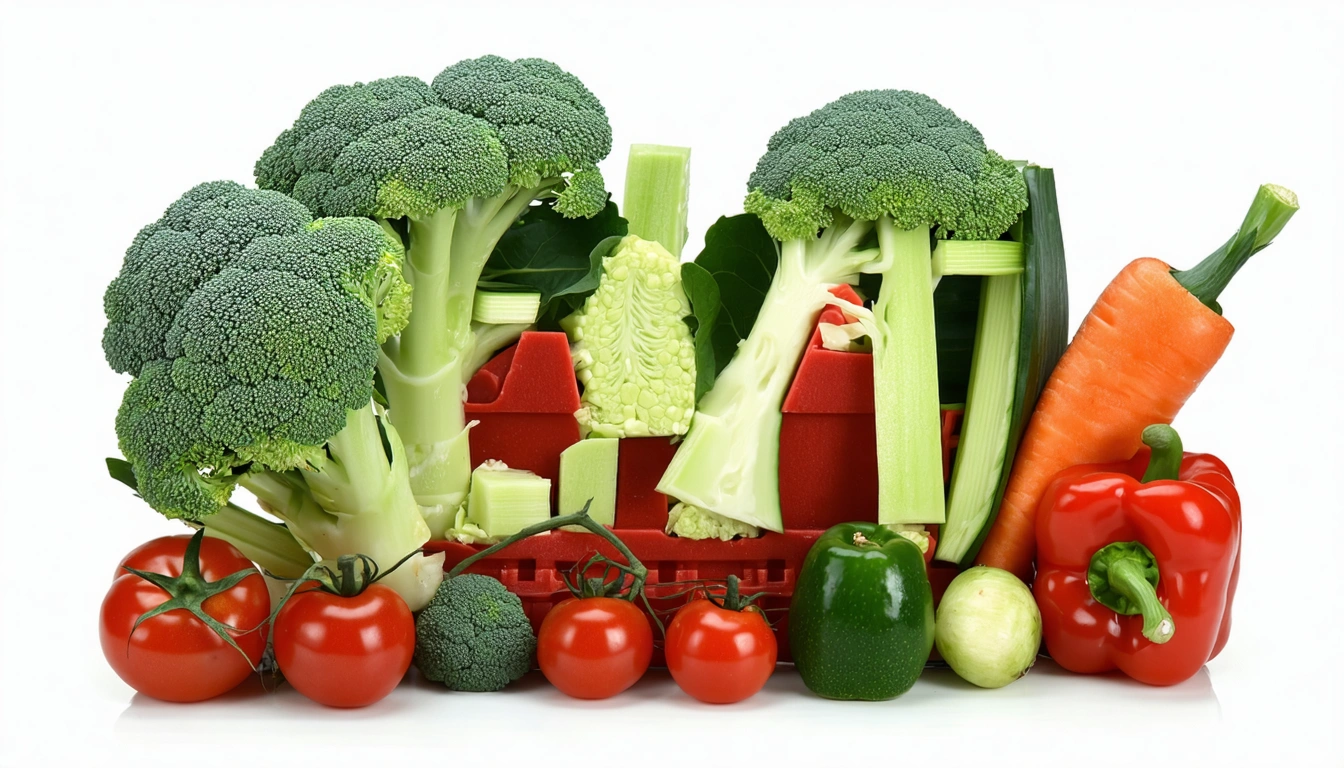
Fruits and Vegetables: Aim for at least five servings of fruits and vegetables each day. They are high in fiber, vitamins, and minerals, which are essential for health and help prevent diseases.
Whole Grains: Choose whole grains like brown rice, oatmeal, and whole wheat bread over refined grains. Whole grains contain more fiber and nutrients.
Proteins: Incorporate a variety of proteins into your diet, such as lean meats, fish, eggs, dairy products, legumes, nuts, and seeds.
Healthy Fats: Focus on healthy fats found in olive oil, avocados, nuts, and fatty fish like salmon. Limit saturated and trans fats found in processed foods.
Limit Sugars and Salt: Reduce your intake of added sugars and salt. Opt for natural sweeteners and herbs or spices for flavoring.
Step 2: Plan Your Meals
Planning your meals helps ensure you make healthier choices and saves time and money. Here’s how you can start:
Create a Weekly Meal Plan: Dedicate some time each week to plan your meals. Consider the food groups mentioned in Step 1 to ensure balance.
Prep Ingredients in Advance: Cut vegetables and prepare proteins in advance to make cooking more convenient during the week.
Cook at Home: Try to cook at home more often to control ingredients and portion sizes. Start with simple recipes and work your way up as you get comfortable.
Step 3: Practice Mindful Eating
Mindful eating involves paying attention to your food and eating habits. It can help you enjoy food more and prevent overeating.
Eat Slowly: Take time to chew thoroughly and savor each bite. This helps your body recognize when it's full.
Avoid Distractions: Turn off the TV and put away your phone while eating. Focus on your food and the experience of eating.
Listen to Your Body: Eat when you are hungry and stop when you are full. Avoid eating out of boredom or stress.
Step 4: Make Smart Substitutions
Healthy eating doesn’t mean you have to give up your favorite foods. Instead, make smart substitutions:
Swap White Bread for Whole Grain Bread: Whole grains provide more nutrients and fiber.
Choose Water or Herbal Tea Over Sugary Drinks: Reducing sugar intake is crucial for maintaining a healthy weight and preventing diseases.
Select Baked or Grilled Over Fried: Opt for cooking methods that use less oil to cut down on unhealthy fats.
Practical Tips and Best Practices
Keep Healthy Snacks Available: Stock your fridge and pantry with healthy snacks like fruits, Greek yogurt, or nuts to avoid reaching for unhealthy options.
Stay Hydrated: Drink plenty of water throughout the day. Sometimes our bodies confuse thirst with hunger, leading to unnecessary snacking.
Reading Labels: Learn to read food labels to make informed choices about the nutritional value of the products you buy.
Common Mistakes to Avoid
Skipping Meals: Skipping meals can lead to overeating later in the day. Try to eat regular, balanced meals to maintain energy and metabolism.
Following Fad Diets: Avoid diets that eliminate entire food groups or promise quick weight loss. They are often unsustainable and can harm your health.
Relying on Supplements: While supplements can help where there are nutritional gaps, they should not replace whole foods which provide a broader spectrum of nutrients.
Conclusion: Encouragement and Next Steps
Embarking on a journey to eat healthier is a commendable decision that will benefit you greatly in the long run. Remember, it’s about progress, not perfection. Start with small, manageable changes, and gradually incorporate more as you become comfortable. Be patient with yourself, and celebrate your successes, no matter how small they seem.
Next steps could include diversifying your recipe collection with healthy options, joining a community group or class focused on healthy cooking, or consulting a nutritionist to tailor a plan to your needs. Keep educating yourself and stay committed, and you'll find that eating healthier becomes a natural part of your life.