How to Meditate for Beginners
Introduction: Why Meditation is Important
Meditation is a practice that has been embraced for centuries in various cultures around the world, valued for its profound impact on mental clarity, emotional stability, and overall well-being. In today's fast-paced world, meditation has become more relevant than ever, providing a sanctuary from the constant noise and stress of everyday life. By cultivating a meditation practice, you can enhance your focus, reduce anxiety, and foster a sense of inner peace that transcends the challenges of daily living. Meditation is not about escaping reality but rather about engaging with it more deeply and with greater presence. This guide aims to equip you with the foundational steps to begin a rewarding meditation practice.
Step-by-Step Meditation Guide
Step 1: Set Up Your Environment
Creating the right environment is crucial for meditation, especially when you're just starting.
Find a Quiet Space: Choose a location free from interruptions. This could be a corner of your bedroom, a garden, or a dedicated meditation room. The space should feel comfortable and secure.
Use Comfortable Seating: You can sit on a cushion, a chair, or directly on the floor. The key is to maintain a position that allows your spine to be upright and relaxed. Some beginners may find that a cushion or rolled-up towel beneath the hips helps in maintaining good posture.
Control the Lighting: Natural light is ideal, but if that's not possible, opt for soft, dim lighting to create a calming atmosphere.
Enhance with Scent or Sound (Optional): Lighting a candle or using an essential oil diffuser can enhance the meditative experience with calming aromas like lavender or sandalwood. Some may also choose to play gentle, ambient sounds or soft instrumental music to help focus the mind.
Step 2: Establish Your Posture
Your posture in meditation can influence both your focus and relaxation.
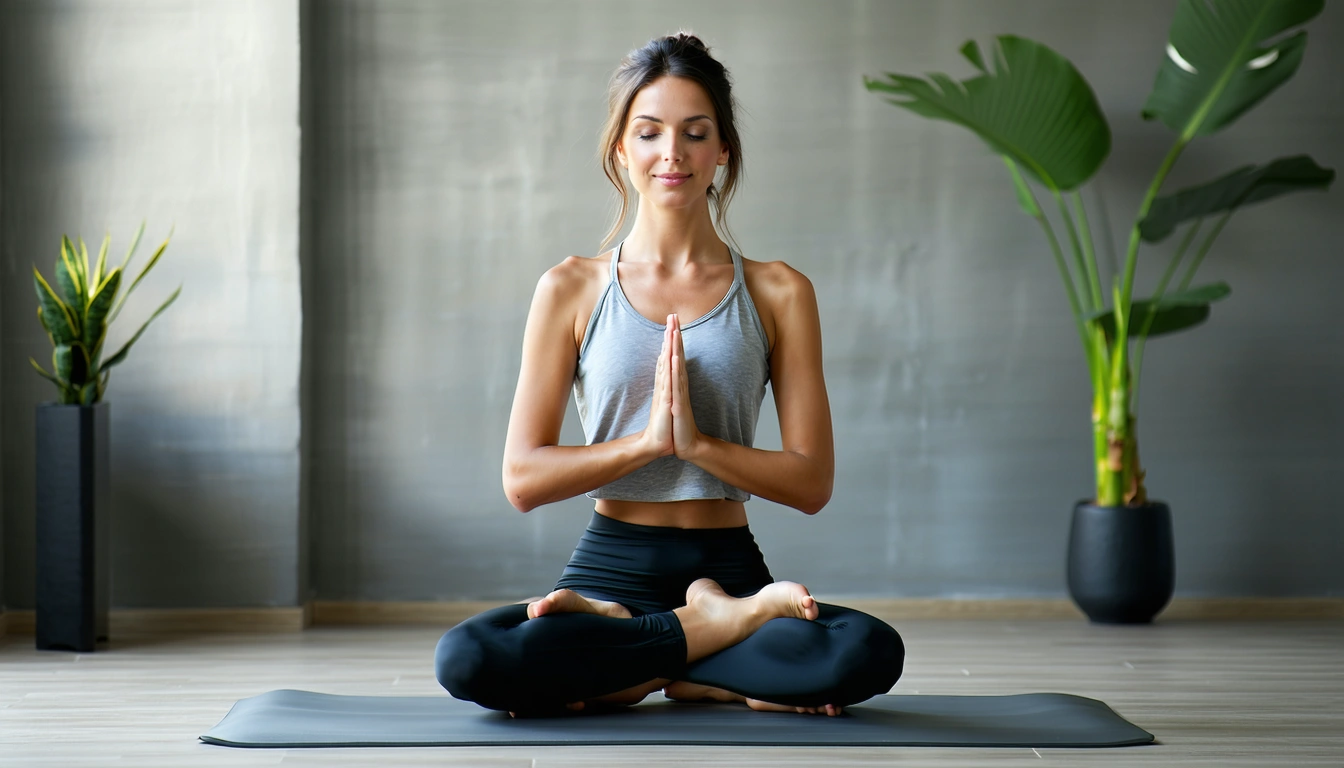
Sit Comfortably: Whether on a chair or cushion, ensure your back is straight but not tense. Picture a string gently pulling the top of your head upwards while letting your shoulders drop naturally.
Ground Yourself: If seated on a chair, keep your feet flat on the floor. If on a cushion, cross your legs comfortably. Rest your hands on your knees or lap, palms up or down, based on what feels more natural.
Step 3: Focus on Your Breath
Breath awareness is a fundamental starting point for meditation.
Begin by taking a few deep breaths, inhaling through the nose and exhaling through the mouth, to relax. Then, allow your breathing to settle into its natural rhythm.
Direct your attention to the sensation of the breath. Notice the rise and fall of your chest, the cool air entering your nostrils, and the warmth as you exhale.
If your mind wanders, gently guide it back to the breath without judgment or frustration. This redirection is a natural and important part of the practice.
Step 4: Set a Time Limit
As a beginner, start with a manageable timeframe to avoid burnout.
Begin with 5 to 10 minutes per session. Use a timer or a meditation app to keep track of your session, so you don’t have to watch the clock.
Gradually increase the duration as you become more comfortable with sitting in meditation. Aim for a goal of 20 minutes per session over a few weeks.
Step 5: Develop a Routine
Consistency is key in developing any new habit, and meditation is no exception.
Choose a Time: Determine a specific time each day to meditate that best fits your schedule. Many people find that morning meditation sets a positive tone for the day, while evening sessions can help de-stress.
Make it a Daily Practice: Even short sessions can be effective if practiced regularly. Treat meditation like any essential activity in your life, akin to brushing your teeth or eating meals.
Practical Tips and Best Practices
Stay Patient with Yourself: Meditation is a skill that takes time to develop. There will be days when your mind is restless—approach these days with curiosity rather than frustration.
Avoid Judging Your Meditation Abilities: It's common to worry about not "meditating the right way." There is no perfect meditation; it's a personal journey that develops over time.
Use Guided Meditations: Apps like Headspace, Calm, or even free videos on YouTube can provide useful structure and support, especially when starting out.
Embrace Mindfulness: Meditation is closely tied to mindfulness – being fully present in the current moment. Try to incorporate mindfulness into daily activities by being fully attentive to whatever you're doing, whether it’s eating, walking, or listening to someone.
Common Mistakes to Avoid
Setting Unrealistic Expectations: Expecting immediate, profound changes can lead to disappointment. Approach meditation as a journey with gradual benefits that accumulate over time.
Meditating in a Busy Environment: Choosing a noisy or chaotic space can hinder your ability to focus and relax. Ensure your environment is as distraction-free as possible.
Forcing Stillness: If you become uncomfortable, it's okay to adjust your position. Meditation is about awareness and presence, not about rigid stillness.
Conclusion: Encouragement and Next Steps
Embarking on the journey of meditation is a powerful step toward enhanced mental well-being and personal growth. Remember that like any new skill, meditation takes practice and dedication. Celebrate small victories and be kind to yourself as you develop your practice. Once you feel comfortable, consider exploring different types of meditation, such as loving-kindness meditation, body scan, or transcendental meditation, to find what resonates best with you.
Continue to integrate meditation into your daily routine and observe its impact over time. With patience and consistency, meditation can transform your life, providing clarity, peace, and resilience to face life's challenges with greater ease and awareness.