How to Cook Perfect Pasta
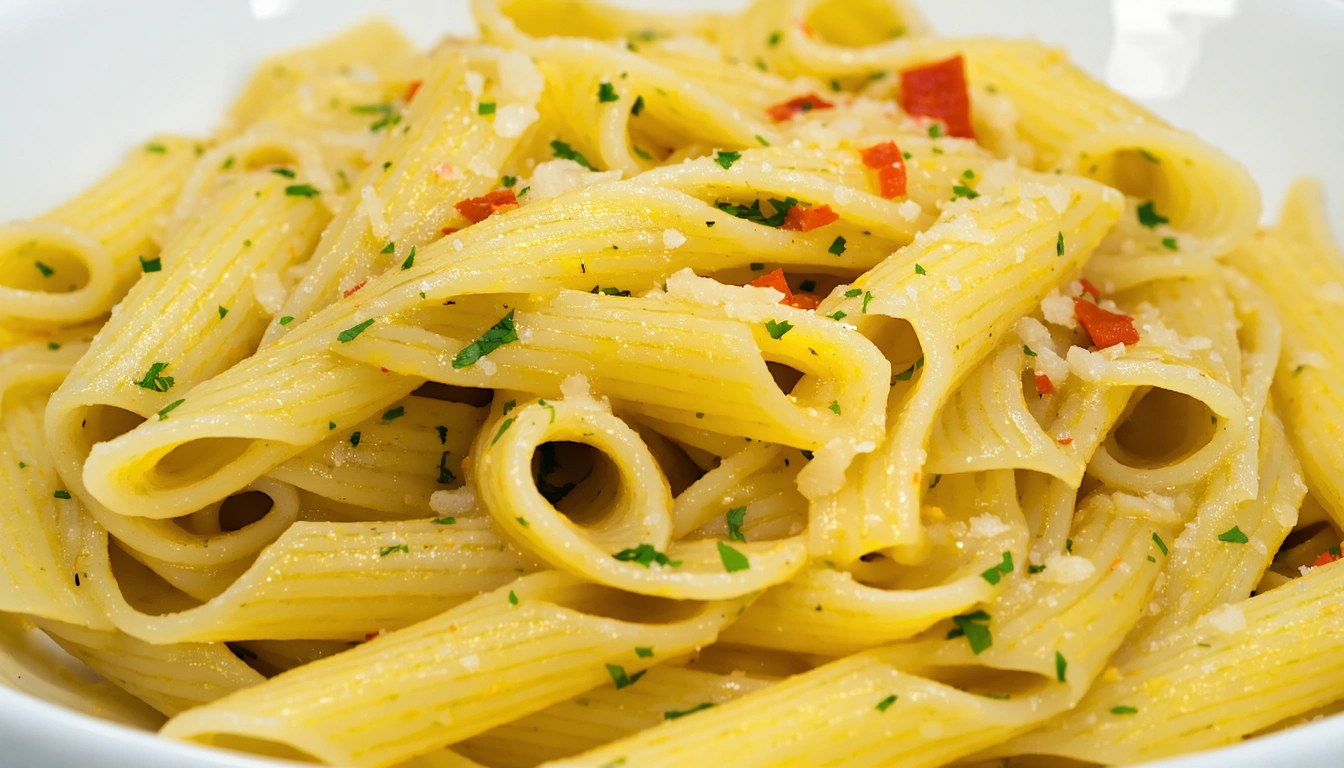
How to Cook Perfect Pasta
Cooking pasta is a fundamental culinary skill that every home cook should master. Pasta is versatile, easy to cook, and can serve as the base for countless delicious meals. Whether you're preparing a fancy Italian dinner or a simple weeknight meal, getting the pasta right can make all the difference. This guide will walk you through the process of cooking perfect pasta, ensuring it's neither mushy nor undercooked, but perfectly al dente every time.
Step-by-Step Guide to Cooking Perfect Pasta
Step 1: Choose Your Pasta
Select the type of pasta that suits your dish. Pasta comes in various shapes and sizes, each offering a different texture and sauce absorption quality. For example:
- Spaghetti or linguine work well with lighter, oil-based sauces.
- Penne or rigatoni are perfect for thicker tomato-based or cheese sauces.
- Lasagna noodles are ideal for baked dishes with layers of ingredients.
Step 2: Measure the Right Amount
Decide on the portion size. A typical serving of dry pasta is around 2 ounces (about 56 grams), which often equates to about 1 cup of cooked pasta. Adjust according to your and your guests' appetites.
Step 3: Boil the Water
1. Use a Large Pot: Select a pot large enough to allow the pasta plenty of room to move. A 4 to 6-quart pot is usually sufficient for a pound of pasta.
2. Fill with Water: Add enough water to cover the pasta completely, usually about 4-6 quarts for a pound of pasta.
3. Add Salt: Season with salt to enhance the pasta’s flavor. A good rule of thumb is about 1-2 tablespoons of salt per gallon of water. The water should taste slightly salty, like sea water.
4. Bring to a Rolling Boil: Ensure the water is at a vigorous, rolling boil before adding your pasta. This prevents the pasta from sticking together.
Step 4: Add the Pasta
1. Stir Immediately: Once the pasta is added to the boiling water, stir it to prevent it from sticking. Keep stirring occasionally during cooking.
Step 5: Cook to Al Dente
1. Check the Package Instructions: Different types of pasta have different cooking times. Check the package for recommended cooking times as a baseline.
2. Test for Al Dente: About 2 minutes before the suggested time, start tasting the pasta. Al dente means "to the tooth" in Italian—it should be tender yet firm when bitten. For instance, if the package suggests 10 minutes, begin tasting at 8 minutes.
3. Reserve Some Pasta Water: Before draining, save about a cup of the pasta water. This starchy liquid is excellent for adjusting sauce consistency.
Step 6: Drain and Serve
1. Use a Colander: Drain the pasta in a colander. Do not rinse unless your recipe specifically requires it, as rinsing removes the starch that helps sauce adhere to the pasta.
2. Combine with Sauce Promptly: Transfer the drained pasta quickly into the sauce, tossing to coat evenly. If necessary, use reserved pasta water to adjust the sauce consistency.
Practical Tips and Best Practices
- Use Plenty of Water: This prevents the pasta from clumping and ensures even cooking.
- Taste as You Go: The only sure way to know your pasta is perfectly al dente is by tasting it.
- Use Quality Ingredients: Every element, from pasta to salt, impacts the final dish. Choose high-quality pasta and fresh ingredients for your sauce.
- Pair Pasta with the Right Sauce: Match the pasta shape with the sauce type to enhance your dish’s flavor and texture.
Common Mistakes to Avoid
- Overcooking the Pasta: Sushi pasta loses its chewy texture. Always aim for al dente.
- Skipping the Salt: Salt enhances the flavor of the pasta itself. Don’t skimp on it.
- Ignoring the Clock: Timing is crucial. Set a timer based on the package instructions and start checking a few minutes early.
- Rinsing the Pasta: Unless for cold pasta salads, rinsing removes starch and flavor.
Conclusion
Cooking perfect pasta is a valuable skill that elevates your culinary repertoire and brings authentic flavors to your meals. With these steps, tips, and knowledge of common pitfalls, you're well on your way to preparing delightful pasta dishes that impress every time. Take what you’ve learned and experiment with different pasta types and sauces to discover your personal favorites. Buon appetito!